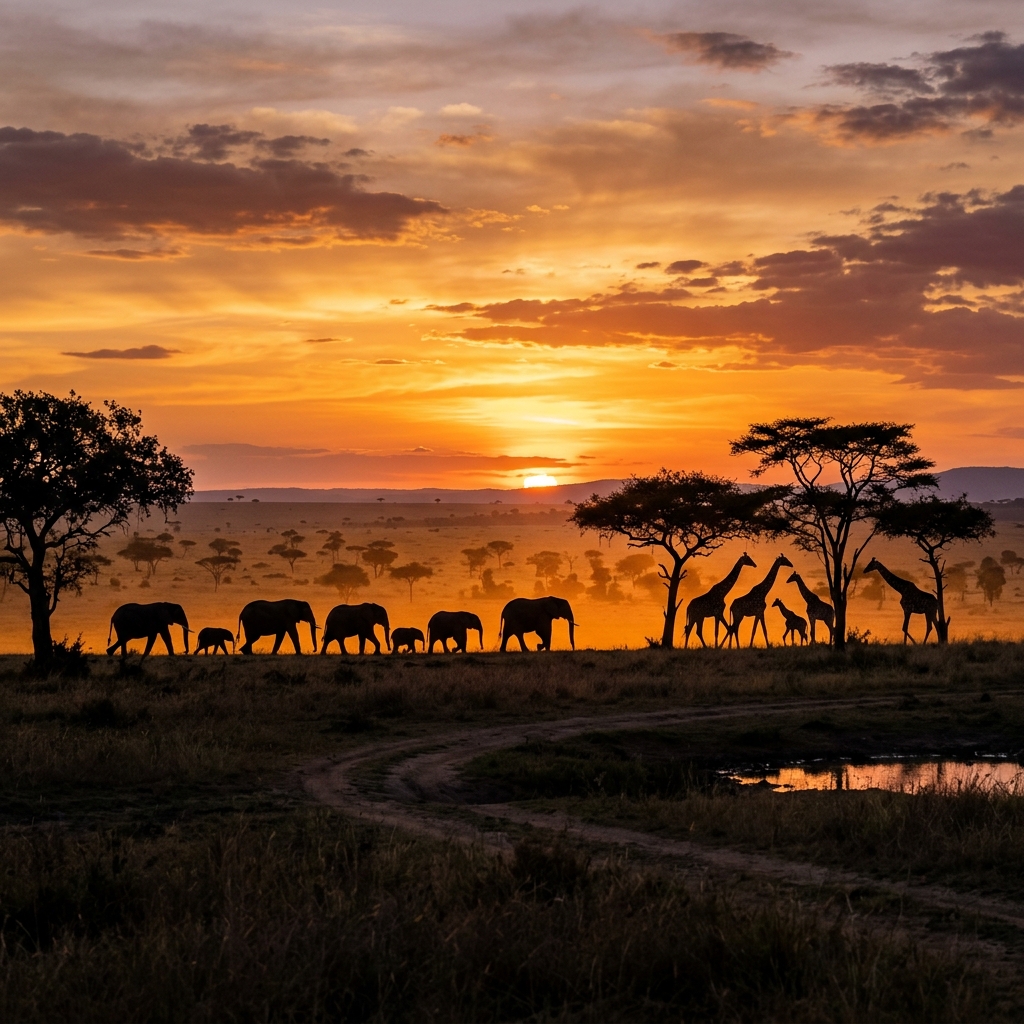
Safari Africa travel is one of the most memorable ways to experience the continent’s landscapes, wildlife, and cultures. For readers of visitnewcastle.co.uk, it can also be a helpful reminder that great trips begin with good planning, whether the journey starts close to home or far beyond familiar borders.
World Adventure Tours features safaris across countries such as Tanzania, Kenya, Namibia, Botswana, Uganda, and Zimbabwe, with trips ranging from classic Big Five routes to migration-focused journeys and beach combinations. That variety is exciting, but first-time travelers should understand what makes a safari successful before choosing an itinerary.
What Makes an African Safari Special?
A safari is not just a sightseeing trip. It is a chance to move through natural habitats where animals live, hunt, migrate, and raise their young. The experience can include:
- Open Savannas & grasslands
- River Systems & delta wetlands
- Dense Forests & lush jungles
- Vast Deserts & salt flats
- Volcanic Craters & mountain ranges
Wildlife is the main attraction, but the best safaris also include skilled guides, thoughtful pacing, comfortable accommodation, and respect for conservation. A good guide can explain animal behavior, track movement, and help travelers understand the ecosystem rather than simply point out animals.
Choosing the Right Destination
Africa offers many safari regions, and each has a different character. The table below outlines key countries featured by World Adventure Tours:
| Country | Iconic Experiences & Highlights |
|---|---|
| Tanzania | The Serengeti, Ngorongoro Crater, Tarangire, and the Great Migration. |
| Kenya | Maasai Mara reserve and strong Big Five viewing opportunities. |
| Botswana | Intricate Okavango Delta waterways and remote wilderness. |
| Namibia | Towering orange sand dunes and dramatic desert landscapes. |
| Uganda | Mountain gorilla trekking and chimpanzee encounters. |
The right destination depends on travel style, budget, season, and priorities. Some travelers want the best chance of seeing the classic Big Five (lions, elephants, rhinos, leopards, and buffalo). Others want birdlife, photography, walking safaris, luxury lodges, or a quieter route away from crowds.
Timing and Seasons
Safari timing matters.
- Dry Seasons: Often make wildlife easier to spot because animals gather near water sources and vegetation is thinner.
- Wet Seasons: Bring green landscapes, newborn animals, and excellent birding, but some roads may be harder to travel.
Migration safaris require even more careful timing because animal movement changes through the year. Travelers interested in the Serengeti or Maasai Mara migration should check when herds are likely to be in specific areas.
What to Expect on Safari
Most safari days begin early because animals are active in the cooler morning hours. Travelers may go on game drives, return for rest during midday heat, and head out again in the afternoon. Some trips include:
- Game Drives: Classic 4x4 vehicle exploration.
- Walking Safaris: Guided tracking on foot.
- Boat Safaris: Exploring river systems and deltas from the water.
- Cultural Visits: Engaging with local communities.
Patience is part of the experience. Wildlife is not scheduled. Some drives may bring dramatic sightings, while others may focus on tracks, birds, landscapes, and smaller discoveries. A good safari mindset values the whole environment.
Packing and Preparation
Comfortable neutral clothing, sun protection, binoculars, a camera, light layers, and practical shoes are useful. Travelers should also check:
- Visas & Entry Rules
- Vaccinations & Medical Advice
- Luggage Limits (soft bags are often required for small aircraft and safari vehicles)
- Travel Insurance
Responsible Travel
Responsible travel matters. Guests should follow guide instructions, keep a safe distance from animals, avoid litter, and support operators that respect conservation and local communities.
Conclusion
Safari Africa travel combines wildlife, landscapes, culture, and adventure in a way few trips can match. The best safari is not simply the one with the longest species list; it is the one planned around the right destination, season, guide, and pace. With thoughtful preparation, a first safari can become a journey that stays vivid for life.